Security Deposit Refund Rules in India: A Tenant's Guide
Getting your rental security deposit back should be simple. Here's how refunds work in India — the usual timelines, what a landlord can and can't deduct, and exactly what to do if your deposit is withheld.
Quick answer
In most Indian residential tenancies the security deposit is refunded within 15–30 days of vacating, after deducting only unpaid rent, unpaid bills, and genuine damage beyond normal wear and tear. The Model Tenancy Act, 2021 caps residential deposits at two months' rent. Your rent agreement, deposit receipt, and move-in/move-out photos are your strongest proof.
How to make sure you get your full deposit back
1. Keep the rent agreement and deposit receipt
Your agreement should state the deposit amount and the refund terms. Always get a written receipt when you pay the deposit — it is your primary proof of how much is owed back.
2. Document the property at move-in and move-out
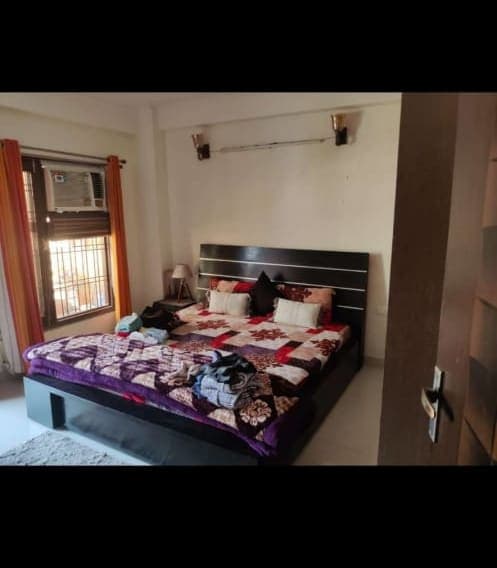
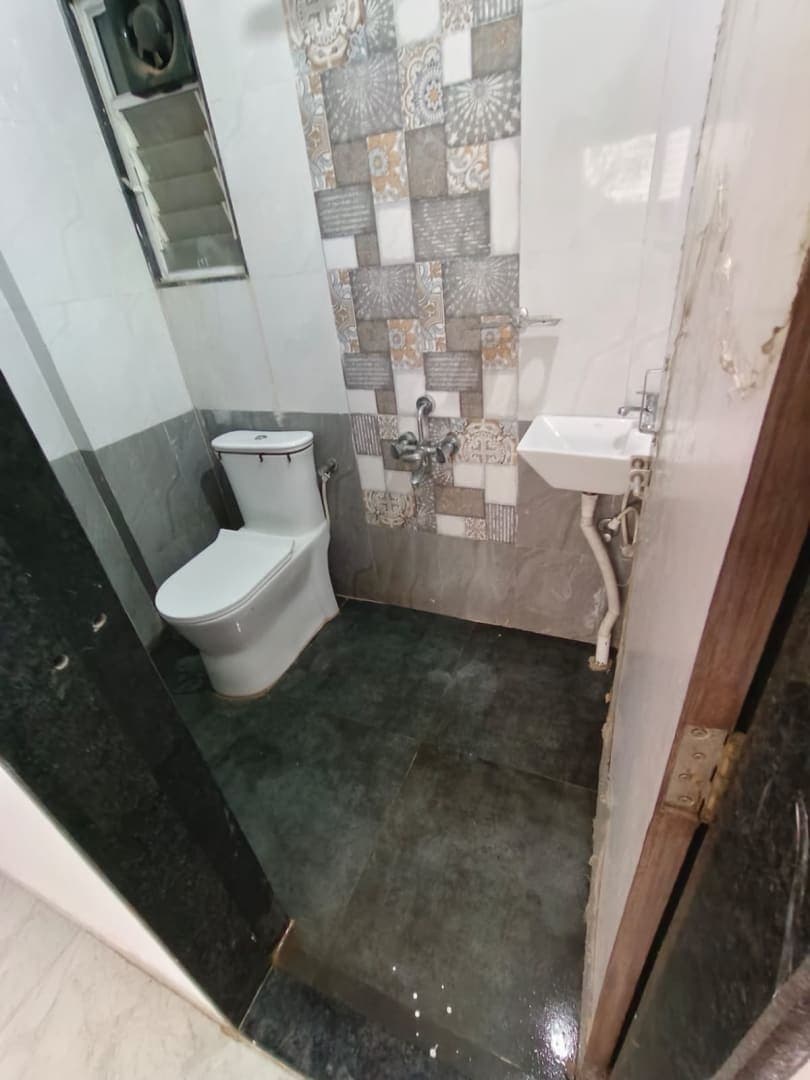
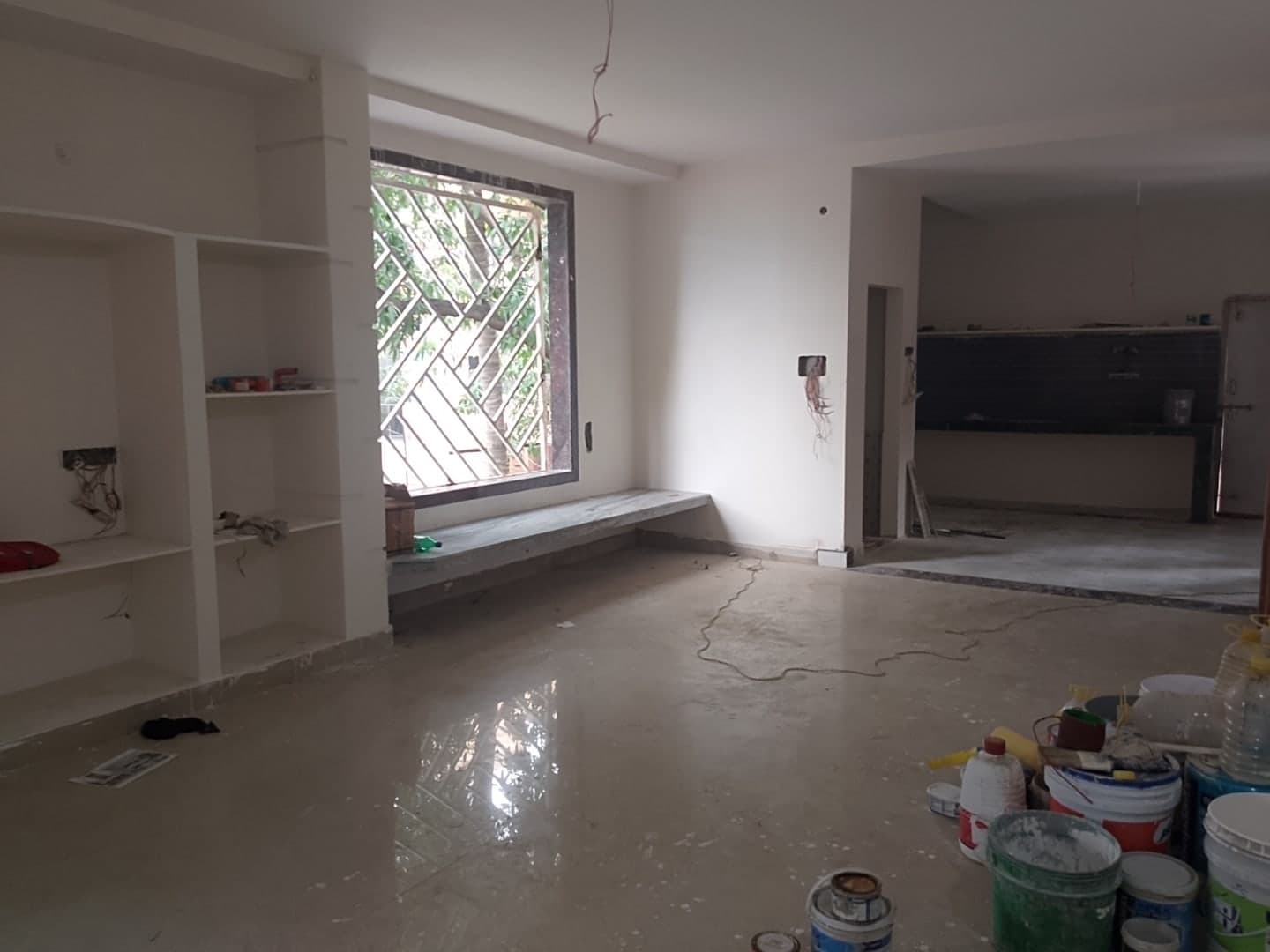
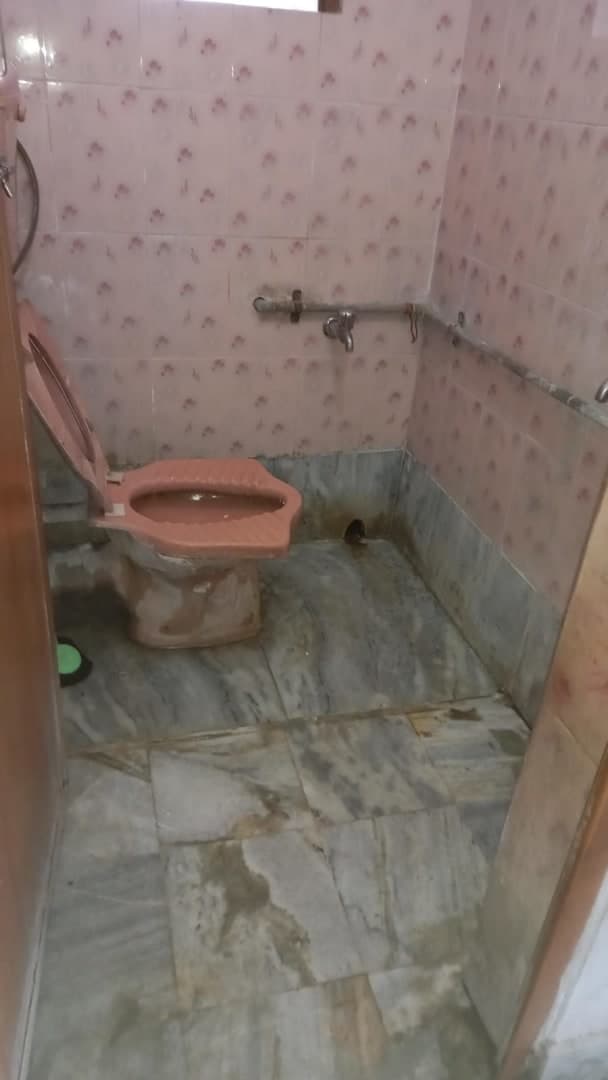
Take dated photos/video of every room, fittings, and meters when you move in and again when you leave. This is the single best way to prevent unfair “damage” deductions.
3. Give proper notice and settle dues
Serve the notice period stated in your agreement, clear pending rent and utility bills, and share final meter readings. A clean handover removes the usual reasons for withholding.
4. Agree deductions in writing
Legitimate deductions are usually unpaid rent, unpaid bills, and genuine damage beyond normal wear and tear. Ask for an itemised list in writing before accepting any reduced refund.
5. Follow up within the refund window
Deposits are typically refunded within about a month of vacating (check your agreement). If it is delayed, send a written reminder referencing the agreement and your handover date.
If your landlord won't refund
Send a polite written request quoting your agreement and handover date. If that's ignored, a formal legal notice often resolves it. As a last step, you can approach the Rent Authority or Rent Court under your state's tenancy law, or the consumer forum. Keep every receipt, message, and photo — evidence wins these disputes.
More help with your deposit
This guide is general information for Indian residential tenancies, not legal advice. Deposit rules and refund timelines vary by state and by what your individual rent agreement says — always check yours.
Renting next? Do it broker-free.
Find owner-listed homes on Razorent — deal directly with the owner, agree the deposit clearly, and skip the brokerage.
Browse rentalsFrequently Asked Questions
Is the security deposit refundable?
+
Yes. A security deposit is the tenant’s money, held by the landlord against unpaid rent, unpaid bills or damage. When the tenancy ends the landlord has to return it, keeping back only legitimate deductions for those. Under the Model Tenancy Act, 2021, in states that have adopted it, the deposit is due when you hand back vacant possession. If an agreement calls part of the money non-refundable, that part is really a fee, so question it before you sign.
What does SD refund mean?
+
SD is short for security deposit, so an SD refund is getting that deposit back. For a rental, it is the money you paid the landlord at move-in, returned when you move out minus any deductions for unpaid rent, unpaid bills or damage. Electricity bills also show an SD: that is a deposit held by the power company, refunded by them when the connection is closed.
How long does a landlord have to return the security deposit in India?
+
It is governed by your rent agreement. Most residential agreements specify refund within 15–30 days of vacating and handing over the property. The Model Tenancy Act, 2021 (adopted state by state) also requires the deposit to be refunded at the end of the tenancy after lawful deductions.
How much security deposit is normal for a rental in India?
+
It varies by city, but the Model Tenancy Act caps the deposit at a maximum of two months’ rent for residential properties (and up to six months for commercial). In practice many cities charge 1–3 months for homes, with some southern metros historically asking for more.
What can a landlord legally deduct from the deposit?
+
Typically only unpaid rent, unpaid utility bills, and the cost of repairing genuine damage beyond normal wear and tear. Routine wear — minor scuffs, fading paint, normal aging — should not be deducted. Always ask for an itemised, written breakdown.
What if the landlord refuses to refund my deposit?
+
Start with a written request quoting your agreement and handover date. If that fails, a formal legal notice often resolves it. As a last resort you can approach the Rent Authority/Rent Court under your state’s tenancy law or the consumer forum. Your agreement, receipts, and move-in/move-out photos are your key evidence.
Does Razorent hold or manage security deposits?
+
No. On Razorent the deposit is agreed and paid directly between the tenant and the property owner — there is no broker or middleman. Because you deal with the owner directly, keep the agreement, deposit receipt, and dated photos so the refund is clean at move-out.