Rent Agreement & Tenant Rights in India
A plain-English guide to renting in India: what your rent agreement should include, why most are for 11 months, the registration and stamp-duty basics, and the rights every tenant should know.
Quick answer
A good rent agreement names both parties and the property, and clearly states the rent, deposit, duration, notice period, and who pays maintenance. Agreements of 12 months or more generally need to be registered, which is why the 11-month agreement is so common. Registering still gives the strongest legal protection.
What a rent agreement should include
- Names and addresses of the owner (landlord) and tenant
- Full property address and what’s included (furniture, appliances, parking)
- Monthly rent, due date, and accepted payment method
- Security deposit amount and the refund terms
- Lease duration, lock-in period, and notice period
- Yearly rent increase / escalation clause (commonly ~5–10%)
- Maintenance and utility responsibility (who pays what)
- Rules on subletting, guests, pets, and alterations
- Grounds for termination by either side
Need an actual agreement?
Fill in the parties, rent, deposit and term, and get a complete residential rental agreement you can print or save as a PDF — free, and built in your browser.
Registration & stamp duty in short
Rent agreements are usually printed on stamp paper (or e-stamped) and signed by both parties and witnesses. Agreements of 12 months or more generally require registration at the sub-registrar office; shorter (11-month) agreements are commonly only notarised. Stamp duty rates vary by state — check your state's rules, and remember that a registered agreement is the hardest to dispute.
Key tenant rights in India
A written agreement
You’re entitled to a clear written rent agreement stating rent, deposit, and terms — never rely on a verbal arrangement.
Your deposit back
Your security deposit must be refunded at the end of the tenancy after only lawful deductions (unpaid rent/bills, genuine damage). See our deposit refund guide.
Fair notice before eviction
A landlord generally cannot evict you without proper notice and lawful grounds as set out in your agreement and state tenancy law.
Privacy and peaceful enjoyment
The owner should give reasonable notice before visiting and cannot enter the property arbitrarily or harass you.
Essential services
A landlord cannot cut off essential services like water or electricity to force you out — that is not a lawful remedy.
This guide is general information for Indian residential tenancies, not legal advice. Rent laws, stamp duty, and registration rules vary by state and by your individual agreement — always verify locally.
Related: security deposit refund guide and the apartment move-in checklist.
Find your next home, broker-free.
Browse verified, owner-listed rentals across India on Razorent — agree the terms directly with the owner and skip the brokerage.
Browse rentalsFrequently Asked Questions
Is a rent agreement mandatory in India?
+
A written rent agreement is strongly recommended and is often required for address proof, utility connections, and police verification. For agreements of 12 months or more, registration is generally required; most landlords use an 11-month agreement to simplify stamping and registration, though registering still gives you the strongest legal protection.
Why are most rent agreements for 11 months?
+
Agreements of 12 months or longer typically require formal registration under the Registration Act and attract higher stamp duty. An 11-month term keeps the process simpler and cheaper, which is why it became the common convention — but you can still register any agreement for extra protection.
What are my basic rights as a tenant in India?
+
Broadly: a written agreement, refund of your security deposit after lawful deductions, proper notice before eviction, privacy and peaceful use of the property, and continued access to essential services. Exact rights depend on your state’s Rent Control / Tenancy Act and what your agreement says.
What is the Model Tenancy Act, 2021?
+
It’s a central template law that states can adopt to modernise renting. Key points include a written agreement, a Rent Authority for disputes, a deposit cap of two months’ rent for residential properties, and defined obligations for both sides. Adoption varies by state.
Does Razorent provide the rent agreement?
+
On Razorent the agreement is made directly between the tenant and the owner — there’s no broker involved. Always put the terms in writing, keep signed copies and the deposit receipt, and consider registering the agreement for full legal protection.
Recently listed on Razorent
Direct from owners · no brokerage
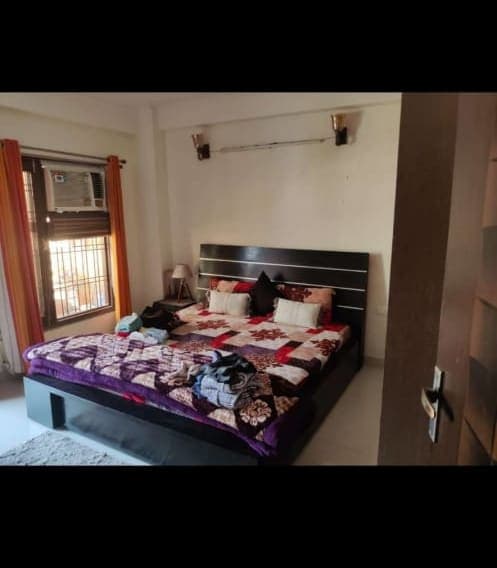 New7 photos₹55,000/monthDeposit ₹1,10,000 (2 months)
3bhk Fully furnished flat available for rent in sector 15 part 2 Gurgaon
Sector 15 Part 2, GurugramWiFi · Parking · Security+4 more3 BHK Flat1,250 sq.ftFully Furnished New6 photos₹16,000/monthDeposit ₹32,000 (2 months)
New specious two bhk flat with specious two gallery on main road
Wagholi Lohegaon Road, PuneParking · Security · Water Supply+2 more2 BHK Flat760 sq.ftSemi Furnished New3 photos₹27,000/monthDeposit ₹54,000 (2 months)
Kaakathiya Diamond H
Velamala, Nrar Tellapur HydWiFi · Parking · Security+5 more3 BHK Flat1,670 sq.ftFully Furnished New5 photos₹1.2 Crlease · 20 yr+ ₹1,200/mo · Lease listing
A Independent House with a lot of surprises
HyderabadParking · Water Supply · Garden2 BHK Independent House3,000 sq.ftSemi Furnished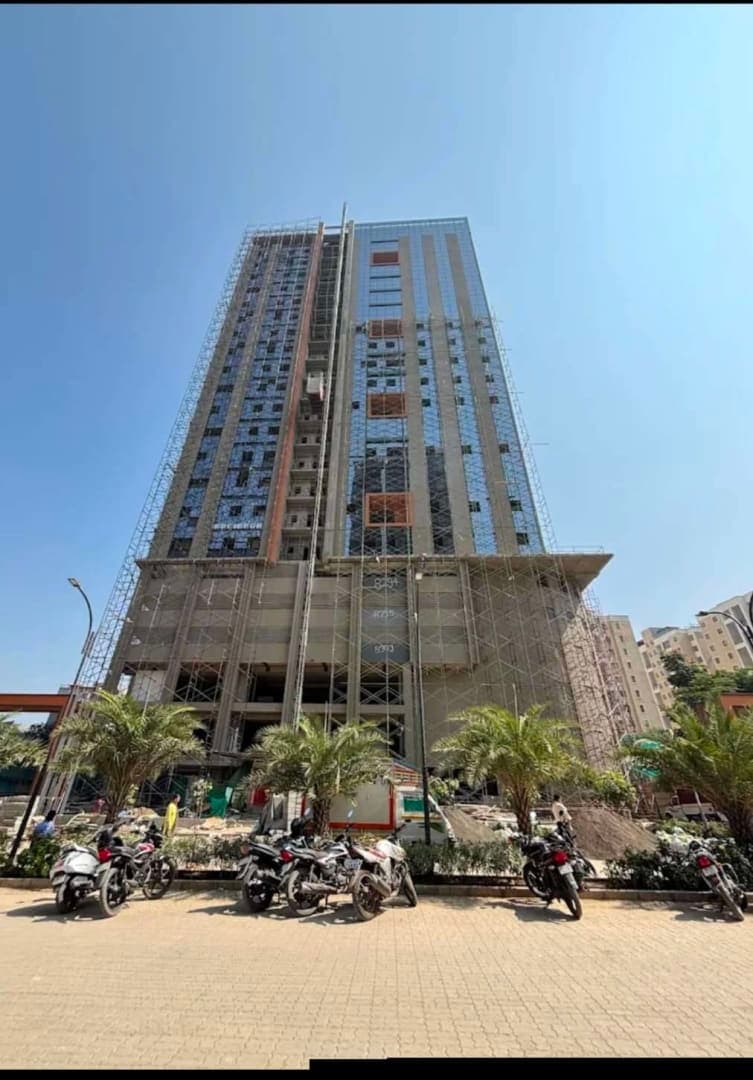 New5 photos₹4 Llease · 5 yr+ ₹85,000/mo · Lease listing
Office space on lease
PuneParking · Security · Power Backup+4 moreOffice Space1,156 sq.ft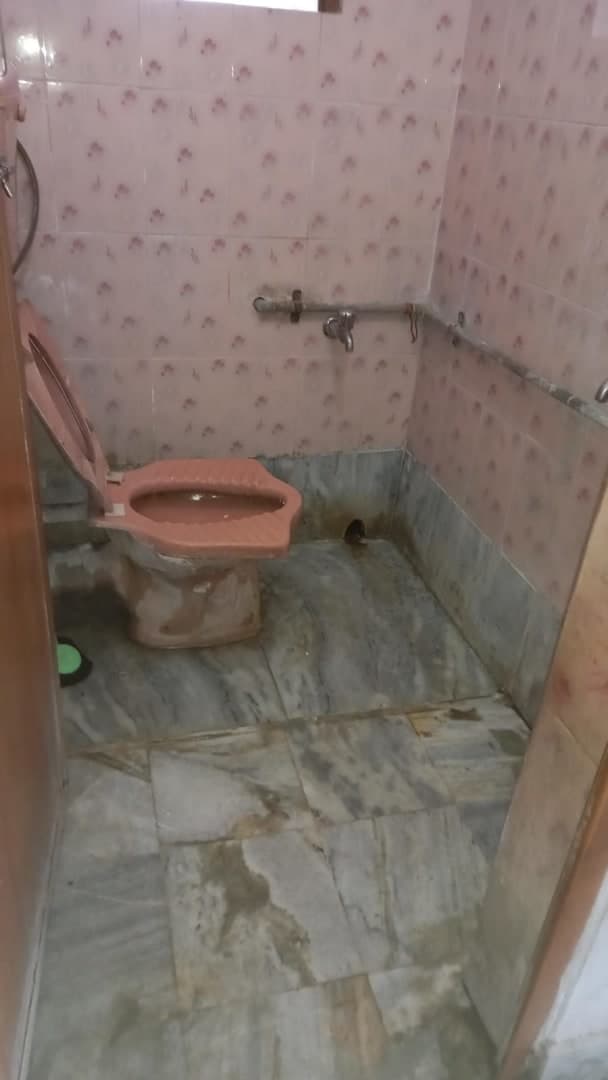 New7 photos₹12,000/monthDeposit ₹24,000 (2 months)Negotiable
2BHK Appartment At Chandannagore, Hooghly
Chandannagore HooghlyUse rooftop2 BHK Apartment760 sq.ft New3 photos₹1,35,000/monthDeposit ₹2,70,000 (2 months)
Duplex Villa in Villa Paradiso
PanjimWiFi · Parking · Security+8 more3 BHK Villa1,844 sq.ftFully Furnished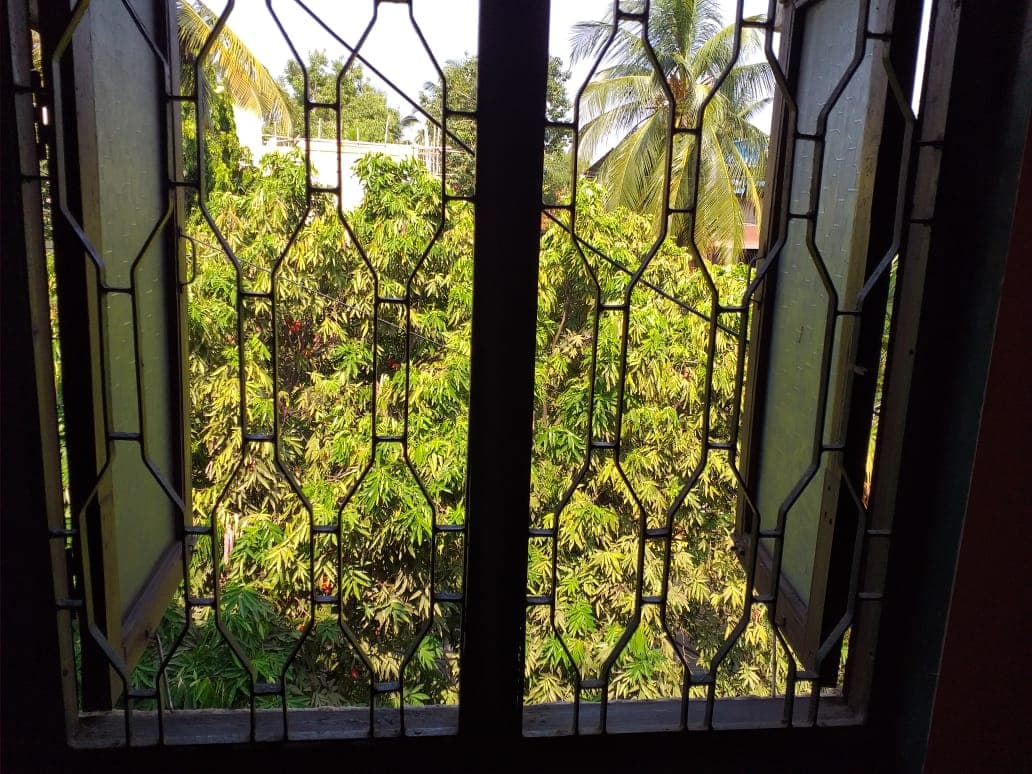 New13 photos₹50,000/monthDeposit ₹1,50,000 (3 months)
Spacious Semi-Furnished 2.5 BHK Flat for Rent in Shivasrushty near Chembur and Kurla stations.
MumbaiParking · Security · AC+2 more3 BHK Apartment800 sq.ftSemi Furnished